

How Proper Adhesive Selection Supports Long-Lasting Stair Installations
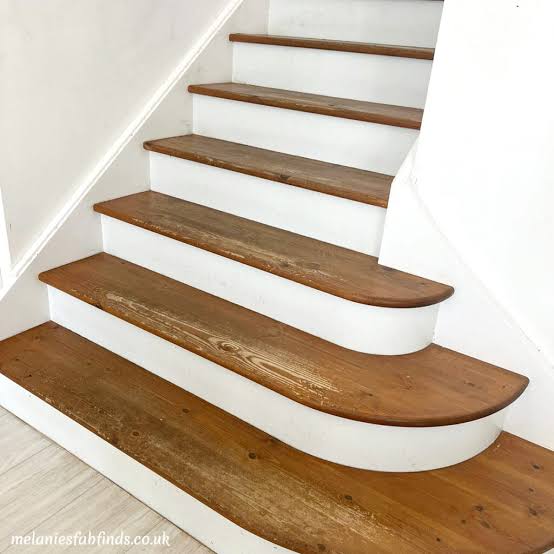
Installing hardwood stairs requires attention to many details, from accurate measurements to material selection and surface preparation. While stair treads are highly visible design elements, the installation method behind them plays an important role in long-term performance. Choosing the best adhesive for stair treads helps contractors and installers create secure installations while supporting the durability expected from professional stair projects.
Why Adhesive Selection Matters for Stair Installations
Staircases experience repeated daily use, which means each component must withstand regular pressure and movement. Unlike flat flooring installations, stair treads are subject to concentrated foot traffic, making proper attachment especially important.
The adhesive used during installation helps create a strong connection between the stair tread and the underlying surface. The right product can help reduce movement, limit unwanted gaps, and support a stable finished staircase.
However, adhesive selection should not be based only on strength. The product must also be suitable for the specific materials and installation conditions involved.
Different stair projects may include plywood substrates, existing wood surfaces, concrete structures, or remodeling applications where conditions vary. Understanding these factors helps professionals choose an adhesive that matches the needs of the project.
Factors to Consider Before Choosing an Adhesive
Before beginning installation, contractors should evaluate several conditions that can influence adhesive performance.
Substrate Type
The surface beneath the stair tread plays an important role in the installation process. Adhesives may perform differently depending on whether the tread is being installed over wood, engineered surfaces, or other materials.
The substrate should be stable, clean, and properly prepared before installation begins. Any loose material, debris, or uneven areas can affect the connection between surfaces.
Material Compatibility
Hardwood stair treads require products that work well with wood materials. Professionals should review adhesive recommendations to ensure compatibility with both the stair tread and the installation surface.
Using a product designed for the application can help avoid issues related to poor bonding or material reaction.
Environmental Conditions
Temperature and moisture levels can also influence installation results. Wood naturally responds to environmental changes, so installers should consider the project location and conditions before installation.
Proper storage of materials and following manufacturer guidelines can help maintain consistent results.
Preparing the Stair Surface Before Installation
Adhesive performance depends heavily on preparation. Even a quality adhesive may not perform properly if the installation surface is not ready.
Before applying adhesive, installers should inspect the stair structure and confirm that the surface is suitable for the new tread.
Important preparation steps may include:
- Removing dust, dirt, and debris
- Checking for uneven areas
- Confirming accurate tread measurements
- Ensuring the substrate is stable
Proper preparation creates a better foundation for the stair tread installation and reduces the chance of problems after completion.
Contractors should also plan the installation sequence carefully. Measuring each step, confirming material placement, and reviewing the final layout before applying adhesive can prevent unnecessary adjustments.
Common Mistakes During Stair Tread Installation
Many installation problems can be avoided with proper planning. One common mistake is selecting an adhesive without considering the specific project conditions.
Another issue is insufficient surface preparation. Applying adhesive over an unsuitable surface may affect how well the tread bonds over time.
Installers should also avoid ignoring product instructions. Adhesives have specific application requirements, including recommended coverage, curing time, and handling procedures.
Rushing the process can create problems that become noticeable after the staircase is completed. Taking the time to follow proper installation practices helps protect both the appearance and function of the finished project.
Why Professional Installation Practices Matter
For flooring dealers, contractors, and stair installers, attention to installation details can directly influence customer satisfaction.
Homeowners typically see the finished staircase, but the quality behind the installation determines how the staircase performs over time. A properly installed stair tread should feel secure, look consistent, and complement the surrounding flooring.
Professional installers understand that every project has different requirements. A renovation involving an existing staircase may require a different approach compared with a new construction project.
Clear communication between suppliers, installers, builders, and designers can also improve project planning. Discussing material specifications and installation requirements early helps prevent delays and unexpected challenges.
Supporting Better Stair Projects Through Material Knowledge
The adhesive is only one part of a successful staircase installation. Quality stair treads, accurate measurements, proper preparation, and professional installation practices all contribute to the final result.
For flooring retailers and contractors, having access to reliable product information makes it easier to guide customers through their staircase projects. Understanding how materials work together allows professionals to make better recommendations.
Whether the project involves a full staircase renovation or a new residential build, careful planning helps create a finished staircase that meets both design and performance expectations.
Build Better Stair Installations With the Right Resources
A successful stair project depends on thoughtful decisions throughout the installation process. From selecting materials to preparing surfaces and choosing suitable installation products, each step contributes to the final quality of the staircase. Flooring professionals, contractors, and builders can explore stair installation resources and hardwood components from Wood Stair Co to support their upcoming residential stair projects.