
How to Find the Right Used Saddle for Your Horse and Riding Style
Buying a saddle is an important decision for every rider. The right saddle affects comfort, balance, and communication between horse and rider, making proper selection essential for both casual riders and experienced equestrians. While many riders assume a new saddle is always the best option, a carefully selected pre-owned saddle can provide excellent value without sacrificing quality.
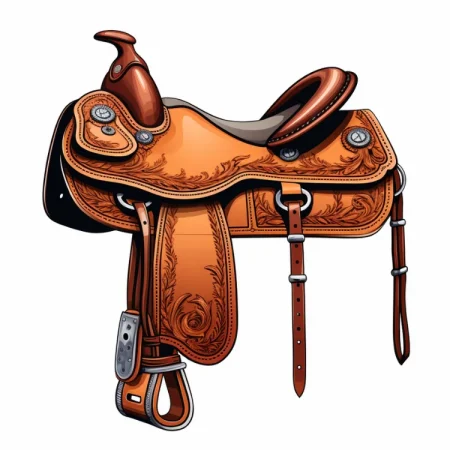
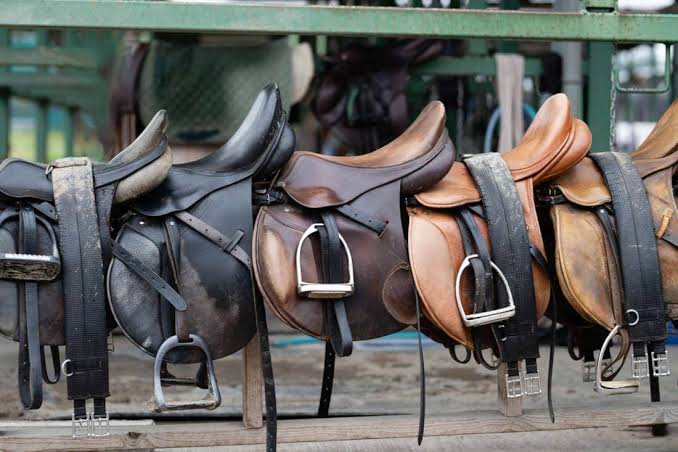
A Used Saddle for Sale can be a practical choice for riders looking for quality craftsmanship, trusted brands, and a saddle that already has proven performance. Many riders choose used saddles because they offer access to premium designs at a more affordable price while still providing the durability needed for regular riding. Saddle Up Colorado offers inspected used saddles across multiple disciplines, including trail riding, ranch work, barrel racing, roping, cutting, and all-around riding.
Why Riders Choose Used Saddles
A saddle is built to last, and many well-maintained saddles continue to perform for years. Buying used allows riders to access quality equipment while staying within their budget.
Some common reasons riders consider pre-owned saddles include:
- Lower cost compared with buying new
- Access to established saddle brands
- Availability of discontinued models
- Opportunity to find a saddle that matches a specific riding style
- More choices in seat sizes and designs
For beginners, a used saddle can be a smart way to invest in reliable equipment while learning more about their preferred riding discipline. Experienced riders may also look for used options when adding another saddle for different activities.
Saddle Fit Should Always Come First
Price and appearance are important, but fit remains the most critical factor when choosing a saddle.
A saddle needs to fit both the horse and rider properly. A poor fit can create discomfort, affect movement, and make riding less enjoyable.
Before purchasing a used saddle, riders should consider:
Horse Fit
Every horse has a different back shape. Important considerations include:
- Tree width
- Gullet size
- Bar style
- Saddle length
- Weight distribution
A saddle that works well for one horse may not fit another, even if both horses are similar in size.
Rider Fit
The rider should also consider seat size and overall comfort. A saddle that is too small may restrict movement, while one that is too large may make it harder to maintain a balanced position.
Taking accurate measurements before shopping can help narrow down the right options.
Choose a Saddle Based on Your Riding Discipline
Different riding activities require different saddle features. Understanding how you plan to use the saddle can help you select the right style.
Trail Riding Saddles
Trail riders often spend several hours in the saddle, making comfort a priority. Used trail saddles are popular because a broken-in saddle can provide immediate comfort compared with a brand-new saddle that requires time to soften.
Important features may include:
- Comfortable seat design
- Balanced construction
- Durable leather
- Practical attachment options
Ranch Saddles
Ranch riders need equipment that can handle regular use. A used ranch saddle can be a valuable option for riders who need dependable performance for everyday riding, training, or working around livestock.
Barrel Saddles
Barrel racing requires quick movement and tight turns. Barrel saddles are generally designed with features that help riders maintain a secure position while allowing freedom of movement.
Roping Saddles
Roping saddles are built for demanding activities where strength and stability are important. Riders should pay close attention to the saddle tree, horn, rigging, and overall condition when evaluating a used roping saddle.
What to Check Before Buying a Used Saddle
A careful inspection can help riders make a confident decision.
Inspect the Saddle Tree
The tree provides the foundation of the saddle. Riders should check for signs of damage, cracks, or structural issues.
A saddle may look attractive on the outside but still have hidden problems if the tree has been compromised.
Examine Leather Condition
Leather naturally shows signs of use over time, but buyers should look for:
- Deep cracks
- Excessive dryness
- Weak stitching
- Damaged areas
Normal wear is expected, but major leather damage may require costly repairs.
Check the Fleece and Underside
The underside of the saddle should be inspected for uneven wear, missing fleece, or damage that could affect comfort for the horse.
Review Hardware and Rigging
Buckles, rings, stirrups, and rigging should all be secure and functional. These components play an important role in saddle safety.
Buying From an Experienced Saddle Provider
Purchasing from a knowledgeable seller can make the process easier, especially for riders who are unsure about fit or saddle type.
A professional saddle provider can help answer questions about:
- Saddle condition
- Intended riding use
- Fit requirements
- Available styles
- Brand differences
Saddle Up Colorado evaluates used saddles before listing them and offers options across different disciplines and seat sizes, helping riders find suitable choices for their horses and riding goals.
Getting the Best Value From a Used Saddle
The lowest-priced saddle is not always the best purchase. Riders should focus on overall value, including:
- Condition
- Fit
- Construction quality
- Brand reputation
- Long-term usability
A well-maintained used saddle that fits correctly can provide many years of comfortable riding.
Finding the Right Saddle for Your Next Ride
Choosing a used saddle requires patience and attention to detail, but the process can be rewarding. With proper inspection and a clear understanding of your riding needs, a pre-owned saddle can provide excellent performance at a practical price.
Whether you are purchasing your first saddle, replacing an older one, or searching for a specific riding style, working with an experienced saddle retailer can help simplify the process. Saddle Up Colorado helps riders find quality saddles and tack options designed for different horses, disciplines, and riding experiences.