

White oak has become a preferred material for staircases in homes where natural texture, restrained color, and lasting performance matter. Its grain works with interiors ranging from traditional to contemporary, while its neutral undertones pair well with many flooring finishes. For dealers, contractors, builders, and designers, choosing the right white oak stair treads requires careful attention to construction, finish, dimensions, and the surrounding materials.
Why Does White Oak Work in So Many Interiors?
White oak typically has a straighter, more restrained grain than red oak. Its natural coloring may include beige, tan, light brown, and muted olive undertones. These characteristics allow it to support light natural finishes, medium brown stains, gray tones, and darker colors.
The material is particularly well suited to interiors where designers want visible wood character without an overly busy surface. A clear finish can preserve its natural appearance, while a stain can connect the staircase with floors, cabinetry, doors, or handrails.
White oak is also a practical choice for frequently used stairways. Although no hardwood surface is immune to dents or scratches, selecting a suitable protective finish and following proper care procedures can help the staircase withstand everyday foot traffic.
Coordinate the Stairs With Nearby Flooring
The staircase is often viewed alongside hardwood or engineered flooring. For this reason, its species, color, grain, and sheen should be considered as part of the broader flooring plan.
Using the same wood species is a helpful starting point, but species alone does not guarantee an exact match. Flooring boards and stair components may come from different lumber batches. Stain formulas, application methods, and finish sheen can also affect the final appearance.
Physical samples should be compared in the actual project space. Natural daylight, overhead fixtures, wall colors, and nearby fabrics can make a finish appear warmer or cooler. Dealers can help customers avoid disappointing results by recommending sample approval before the full stair order is placed.
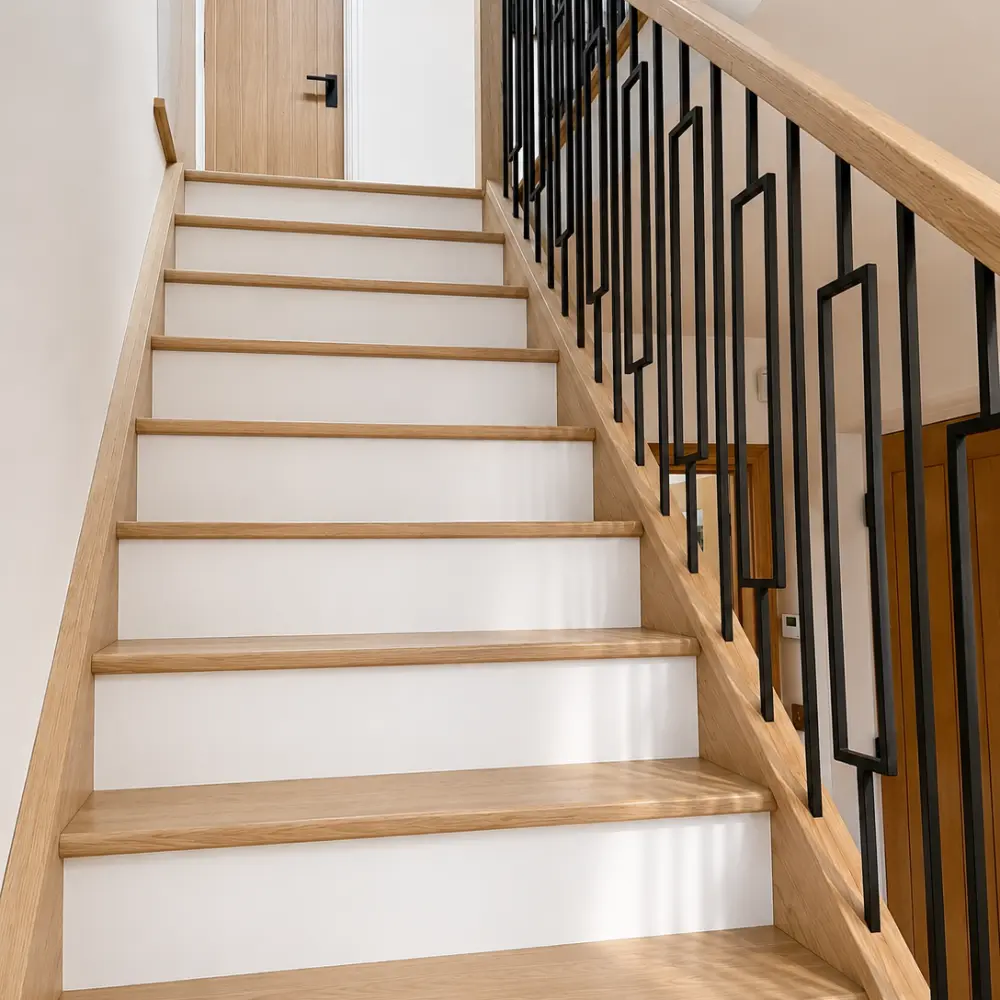
A close color relationship is not always necessary. Some projects use natural white oak treads with painted risers to create a lighter appearance. Others pair darker treads with pale flooring for deliberate contrast. The key is to make the difference appear planned rather than accidental.
Choose the Correct Tread Construction
The condition of the staircase generally determines whether retro or traditional treads are appropriate.
Retro treads are designed for remodeling existing stairs, including many carpet-to-hardwood conversions. They are installed over a suitable existing tread after carpet, padding, fasteners, and residue have been removed. This approach can reduce demolition, but the underlying staircase must still be sound, level, and properly prepared.
Traditional treads are full-thickness components commonly used in new construction or renovations where the original treads are removed. They are installed directly as part of the stair assembly. Contractors should confirm the staircase design and applicable building requirements before selecting a tread type.
Tread thickness also affects the relationship between each step and the finished floor. Changing material thickness without considering riser height may create uneven steps. An experienced installer should review these conditions before materials are ordered.
Identify Closed and Returned Treads
The exposed sides of the staircase determine the required tread profile.
A closed or box tread is used when walls or stringers conceal both ends. A left-return tread has a finished edge on the left side when viewed from the bottom of the staircase. A right-return tread has the finished edge on the opposite side. A staircase open on both sides may require a double-return tread.
Ordering the wrong return configuration can cause delays because the exposed edge and nosing are formed as part of the component. Project photographs, floor plans, and a step-by-step material schedule can help dealers and suppliers confirm the correct quantities.
Compare Prefinished and Unfinished Options
Prefinished white oak treads arrive with the stain and protective coating already applied. They can reduce jobsite sanding, staining, coating, and drying time. Factory application may also provide greater consistency across the order.
Unfinished treads give contractors more control when matching existing site-finished flooring or using a project-specific stain. However, they require additional labor and suitable jobsite conditions. Sanding dust, ventilation, temperature, humidity, cure time, and access restrictions must all be considered.
The decision should be based on the project schedule, desired color, existing materials, and finishing resources. Neither choice fits every installation.
Measure Every Step Individually
Even a staircase that looks uniform may have slight differences between steps. Each tread should be measured rather than relying on a single measurement for the full flight.
Installers should record width, depth, return direction, landing conditions, and any irregular angles. Curved, pie-shaped, or winding steps may require templates or specially made components. Measurements should be checked after old floor coverings are removed whenever possible.
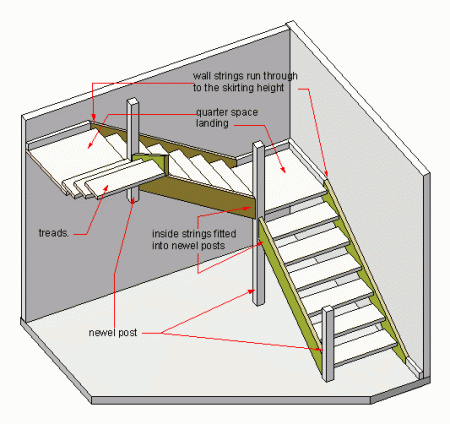
The material list should also account for risers, landing tread, cove moulding, handrails, newel posts, and balusters. Specifying these parts together helps maintain a coordinated appearance and reduces the risk of missing materials during installation.
A successful white oak staircase begins with accurate measurements, approved samples, and components selected for the actual structure. Flooring professionals and design teams can visit Wood Stair Co to explore prefinished and unfinished stair products, compare tread configurations, and prepare a more accurate material plan for an upcoming project.