


A long dryer exhaust run can make it harder for moist, lint-filled air to reach the outdoors. When duct length, elbows, or the building layout create excessive resistance, a properly selected booster fan for dryer vent applications can provide added airflow support. Before installing one, however, contractors and property owners should confirm that the duct is correctly designed, clean, and free from damage or blockage.
Why Does Dryer Vent Airflow Matter?
A clothes dryer depends on steady exhaust airflow to remove heat and moisture from the drum. When that air cannot move freely, drying cycles may take longer and clothes may remain damp after a standard cycle.
Restricted airflow can also allow lint to collect inside the duct. Lint accumulation is a maintenance and fire concern, particularly in concealed runs that are difficult to inspect. Heat and moisture may also remain in the system longer than intended.
Good dryer performance therefore depends on more than the appliance itself. The route, condition, material, and termination point of the exhaust duct all affect how effectively air leaves the building.
What Causes Airflow Problems in a Dryer Vent?
Duct length is one of the main factors affecting exhaust performance. Air loses pressure as it moves through the duct, and every elbow adds resistance. A short, direct route generally allows air to move more easily than a long run with several turns.
Airflow can also be reduced by:
- Crushed or damaged duct sections
- Loose joints or disconnected fittings
- Excessive lint buildup
- A blocked exterior termination
- A stuck or damaged termination flap
- Improper duct material
- Screws projecting into the airflow path
- Too many elbows
- Poorly planned routing
Before adding mechanical assistance, the full vent run should be inspected. A booster fan should not be used as a substitute for cleaning a clogged duct or repairing a damaged installation.
How Does a Dryer Booster Fan Work?
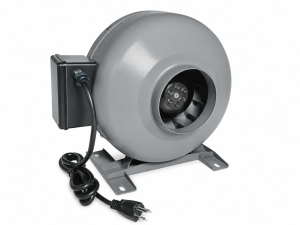
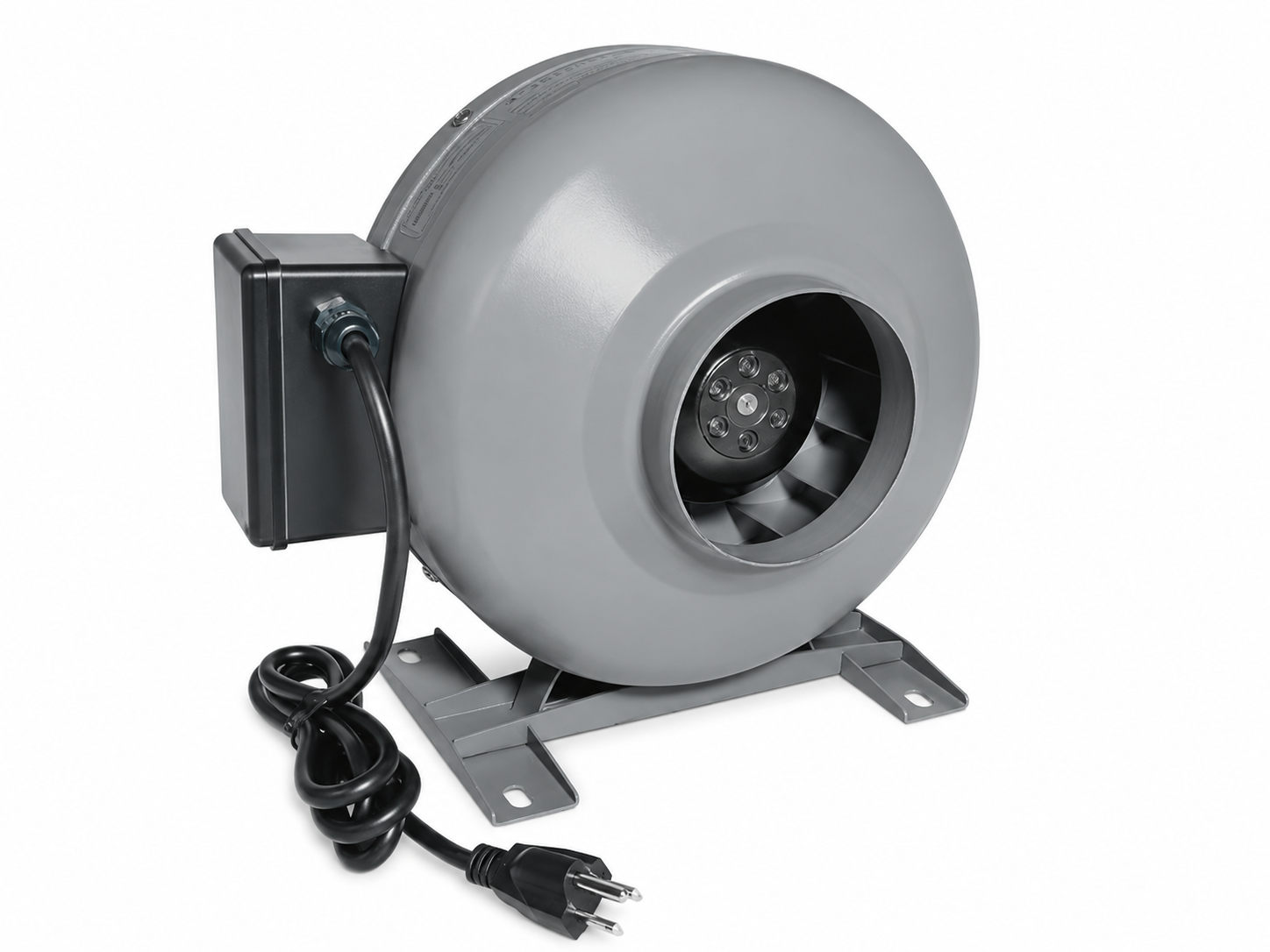
A dryer booster fan is installed within the exhaust duct to help move air through a long or restrictive run. It operates while the dryer is running and stops after the drying cycle or a controlled delay.
Depending on the system, fan operation may be triggered by pressure, current sensing, or another approved control method. The goal is to coordinate the fan with the dryer so users do not have to turn it on and off separately.
The fan does not replace the dryer’s internal blower. Instead, it assists the existing blower in moving exhaust air toward the exterior termination.
When Might a Booster Fan Be Appropriate?
A booster fan may be considered when the required vent route exceeds the dryer manufacturer’s allowed equivalent length or when the layout creates significant airflow resistance. These situations are more common in multistory buildings, centrally located laundry rooms, apartments, condominiums, and remodeled homes where a short exterior route is unavailable.
Contractors should first determine the equivalent duct length. This calculation considers both straight duct sections and the added resistance created by elbows. Dryer manufacturer instructions and applicable building requirements should guide the assessment.
When possible, shortening or straightening the duct may be preferable. If the route cannot be changed, a listed dryer exhaust duct power ventilator may provide a suitable answer when installed according to its instructions and local requirements.
What Signs Suggest the Vent Needs Inspection?
Long drying times are one of the most common warning signs, but they do not prove that a booster fan is required. The appliance, filter, duct, and exterior termination must all be considered.
Signs that call for further inspection include:
- Clothes remaining damp after a normal cycle
- The dryer becoming unusually hot
- Excessive heat or humidity in the laundry area
- Weak airflow at the exterior termination
- A burning or overheated odor
- Lint collecting near duct connections
- The dryer stopping before the load is dry
- Drying times increasing gradually
If a system previously worked well and performance has recently declined, lint accumulation or physical damage may be more likely than inadequate fan capacity.
What Should Be Considered When Selecting a Fan?
The product should be specifically intended and listed for dryer exhaust use. A general duct fan may not be suitable for the heat, moisture, and lint found in a dryer vent.
Contractors should compare:
- Compatible duct diameter
- Maximum supported duct length
- Activation method
- Operating temperature
- Installation orientation
- Electrical requirements
- Access needs
- Cleaning instructions
- Indicator or warning features
- Manufacturer installation limits
Fan location matters as well. The unit should be positioned according to its installation instructions and remain accessible for inspection and cleaning. It should not be hidden permanently behind finished walls or ceilings if routine service requires access.
Why Are Installation and Maintenance Important?
All connections should maintain a smooth interior airflow path. Fasteners that project into the duct can catch lint, while poorly sealed joints may allow moisture and exhaust air to escape into concealed spaces.
The installer should test fan activation, airflow at the exterior termination, and system operation through a complete dryer cycle. The termination flap should open freely when the system runs and close when it stops.
A booster fan adds a serviceable component to the exhaust system. Its presence does not eliminate the need for lint-screen cleaning or periodic duct inspection. Longer vent systems may require more frequent attention because they contain more surface area where lint can collect.
Plan the Entire Exhaust System
A dryer booster fan can support airflow through a long exhaust route, but successful performance begins with sound duct design and a clean, correctly assembled vent. Contractors and property owners should assess duct length, elbows, appliance instructions, service access, and local requirements before choosing equipment. Visit Suncourt to review dryer booster fan kits and select a system suited to the vent layout and installation conditions.