


What Should a Radon Mitigation Kit Include for Sub-Slab Depressurization?
Radon can enter buildings through cracks, construction joints, sump openings, and other pathways that connect indoor spaces with the soil below. When testing identifies elevated levels, a properly selected radon mitigation kit can supply important components for a sub-slab depressurization system. However, successful mitigation still depends on correct assessment, fan selection, pipe routing, sealing, electrical work, and post-installation testing.
Understanding Sub-Slab Depressurization
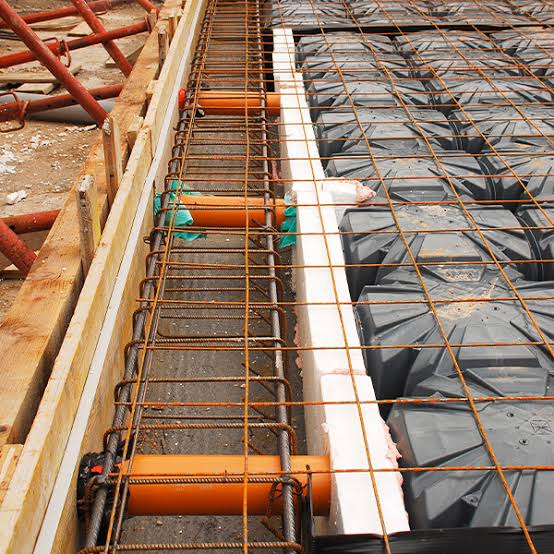
Sub-slab depressurization is a widely used method for reducing radon in homes with concrete slab foundations. The system creates suction beneath the slab and directs soil gas through a sealed pipe before it enters occupied areas.
A continuously operating fan maintains negative pressure beneath the building. The collected soil gas travels through the pipe and discharges outdoors at a suitable location. The design must prevent exhausted gas from re-entering the home through windows, doors, soffits, or other openings.
Homes with basements, partial basements, crawl spaces, or several foundation sections may require more detailed planning. A single suction point may work for one property but provide insufficient pressure coverage for another.
Start With Reliable Radon Testing
Testing should always come before equipment selection. Radon levels vary from one property to another and may change with weather, soil conditions, ventilation patterns, and building pressure.
The U.S. Environmental Protection Agency recommends taking corrective action when a home’s radon level measures 4 picocuries per liter or higher. It also recommends considering corrective action for results between 2 and 4 picocuries per liter because no level of radon exposure is considered completely risk-free.
Home inspectors and radon professionals should follow current testing protocols and applicable state or local requirements. A high result should be confirmed as directed by the relevant guidance before the system is designed.
Radon Mitigation Fan
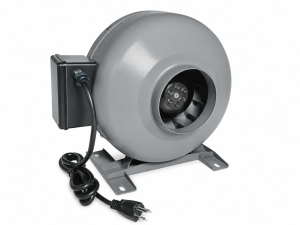
The fan is the primary mechanical component of an active system. It must produce enough suction and airflow for the soil conditions, slab area, pipe layout, and number of suction points.
Selecting a fan solely by pipe diameter can lead to poor results. Dense soil may require greater suction, while highly permeable material beneath the slab may require greater airflow. Diagnostic pressure testing can help a mitigation specialist determine the appropriate fan performance.
The fan should be rated for continuous operation and installed in an approved location. Radon fans are generally placed outside the occupied space so that a leak on the positive-pressure side does not release soil gas indoors.
Pipe, Couplers, and Fittings
Mitigation piping carries soil gas from the suction point to the outdoor discharge. The pipe diameter and route affect resistance, fan performance, operating sound, and the appearance of the finished installation.
A kit may include flexible couplers that connect the fan to the rigid pipe. These couplers can make installation and service easier while helping isolate fan vibration. Clamps should be correctly positioned and tightened to maintain secure connections.
Installers may still need additional pipe, elbows, supports, roof flashing, sealants, or fittings. The exact materials depend on whether the discharge route passes through an exterior wall, garage, attic, or roof.
Suction Point and Slab Sealing
The suction point allows the fan to draw air from beneath the slab. Its position should support pressure extension across the required area. Foundation walls, footings, separate slabs, and changes in sub-slab material can limit how far suction travels.
Cracks, floor joints, sump lids, and openings around utility penetrations should be inspected and sealed where appropriate. Sealing these pathways supports the pressure field beneath the slab and limits the amount of conditioned indoor air drawn into the system.
A sump opening may be incorporated into some designs, but it requires a durable, gas-resistant cover that permits inspection and drainage access.
Moisture and Outdoor Protection
Water can enter mitigation piping through condensation or precipitation. The pipe layout should allow moisture to drain without collecting inside the fan. Installers must follow the fan manufacturer’s orientation and drainage requirements.
Outdoor components should also be protected from debris, pests, and physical damage. Pipe supports must withstand wind and weather while keeping the system firmly attached to the building.
Cold climates require additional planning because condensation can freeze near the discharge point. Local radon standards provide guidance for routing and terminating the exhaust safely.
Monitoring and System Identification
An active radon system should include a visual indicator that shows whether the fan is creating pressure. A U-tube manometer is commonly installed on the pipe, but it shows system pressure rather than the indoor radon concentration.
The pipe should be labeled so future homeowners, inspectors, and contractors can identify it as part of a radon reduction system. Electrical disconnects, warning labels, and circuit information should also follow applicable requirements.
Occupants should be shown how to check the system indicator and recognize changes that may signal a fan or piping problem.
Post-Installation Testing Is Essential
Fan operation alone does not confirm that indoor radon has been reduced sufficiently. The property must be retested after installation according to accepted testing procedures. Continued testing at recommended intervals is also important because building conditions and system performance can change.
Complex foundations, multiple slabs, crawl spaces, and unusually high readings often require a certified radon mitigation professional. Local licensing and installation requirements should be checked before work begins.
A well-planned system combines suitable equipment with careful diagnostics, safe discharge routing, secure connections, and verified results. Visit Suncourts to review radon mitigation equipment and choose components suited to the property’s installation plan.